
How Scammers Pressure You
Scams start with a feeling, then add pressure until you act. Know both parts, and they lose their power.
Step 1
The hook: four emotions they target

Attractive offers and financial gain
High returns, exclusive deals, prizes or refunds that feel too good to pass up.
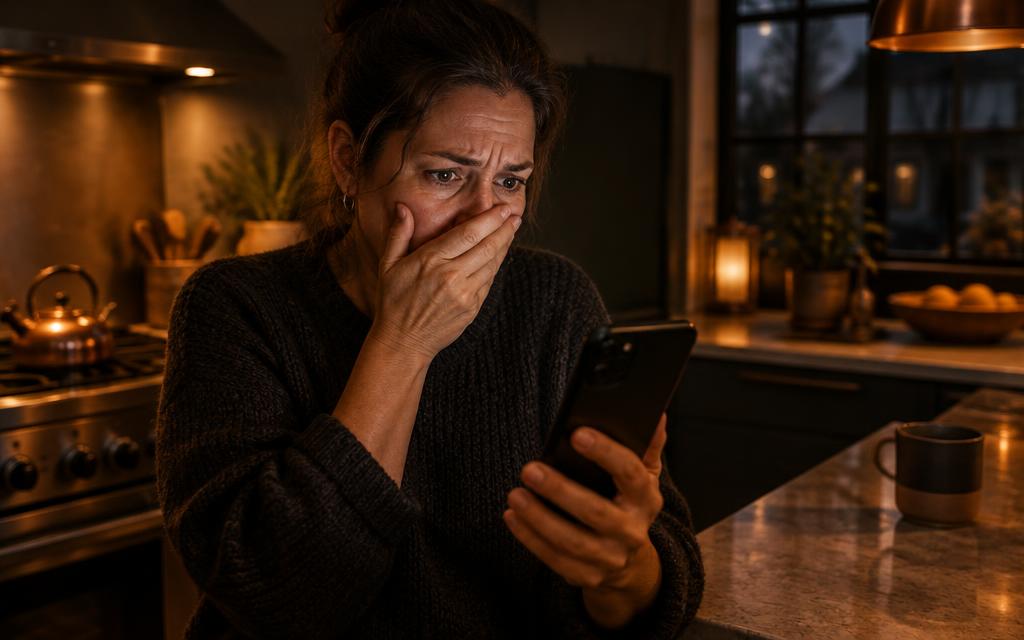
Fear
A sudden threat to your money, your accounts, your freedom or someone you love.

Curiosity
A strange notice, a missed delivery or an "is this you?" message that makes you want to look.

Helpfulness
Your wish to be kind, solve a problem or rescue someone who seems to be in trouble.
Step 2
The amplifiers: what turns a feeling into action
Urgency
Deadlines and countdowns so you act before you think.
Authority
Posing as police, the tax agency, your bank or your boss.
Trust
Warm, steady contact over days or weeks before any ask.
Guilt
Making you feel responsible for someone else's problem.
Routine
Hiding inside familiar invoices, texts and habits so you stop checking.
Personalization
Using your real name, address or workplace to seem genuine.
Cognitive overload
Jargon, noise and rapid requests until your mind is tired.
Shame
Embarrassment or threats of exposure so you keep it secret.
The circuit breaker
When you feel one of these emotions and pressure at the same time, that is your signal. Pause, hang up, and check on your own using a number or website you already know. Real people and real organizations will wait.
Practice
See it in real life
Read each message and decide: is it a scam?
Example 1 / 8 · Text message, 6:12 AM
“Grandma, it's me. I had an accident and I'm at the station. Please don't tell Mom. Can you send $2,000 by e-transfer right now?”
Is this a scam?