

Phishing and Online Impersonation
How fake emails, texts and profiles copy people and brands you trust.
You will learn to
- • Spot the signs of a fake message
- • Check a sender before you click

Real stories, expert perspectives and practical prevention. A public education programme on how scams operate, how people are targeted, investigative insight and the experience of victims.
The series is expected to start in March 2027. Dates, locations and registration details will be shared here once confirmed.
Get notified by email when dates are confirmed
Want to learn more now? Explore the resources →
How fake emails, texts and profiles copy people and brands you trust.
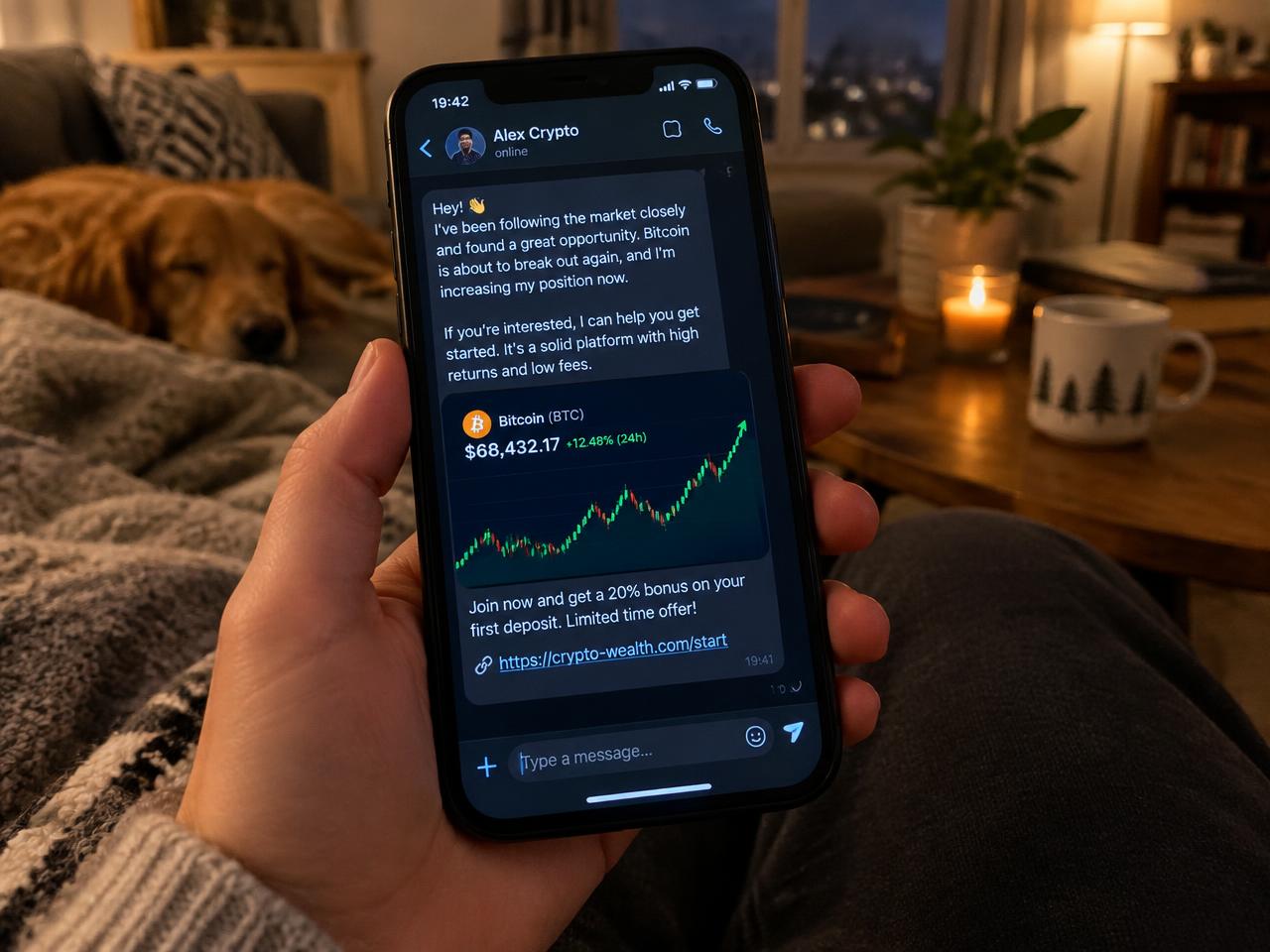
Why promises of fast returns work, and how fake platforms keep people paying.

How long, patient relationships are built online to lead to money requests.

How changed bank details and fake supplier emails redirect real payments.
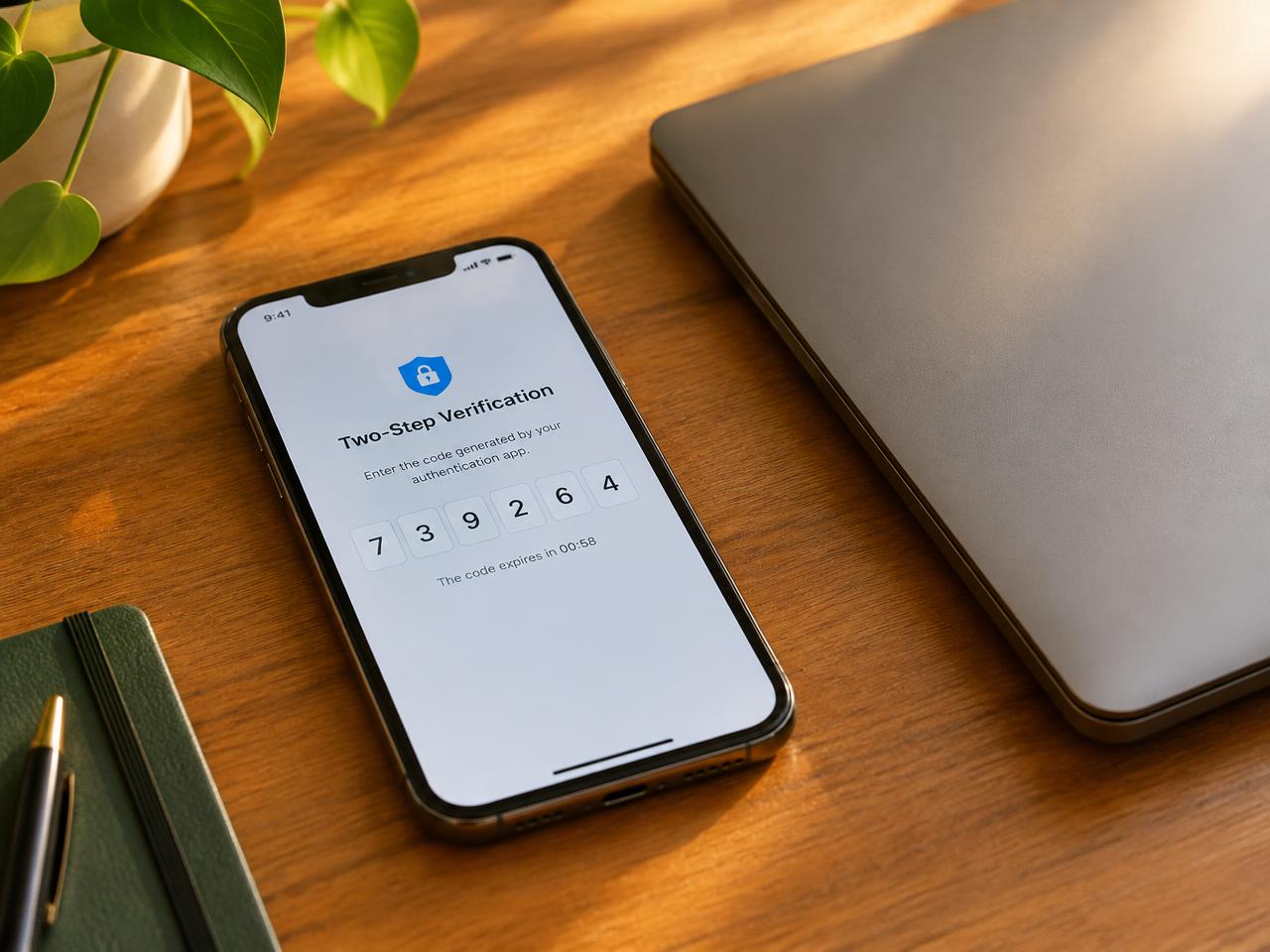
What happens when someone gets into your accounts, and how to lock them down.
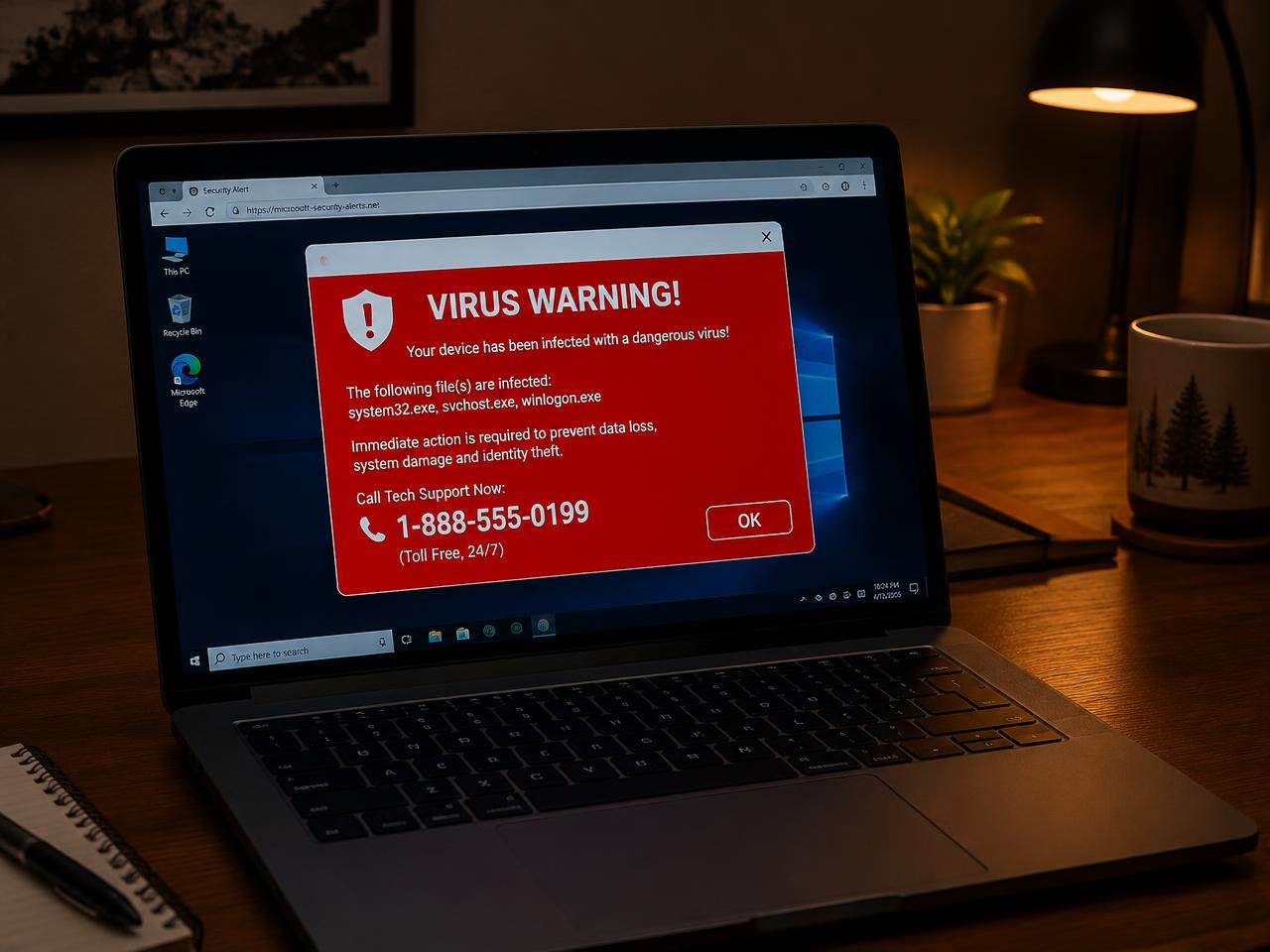
Pop ups and calls that claim your computer is infected and ask for control.
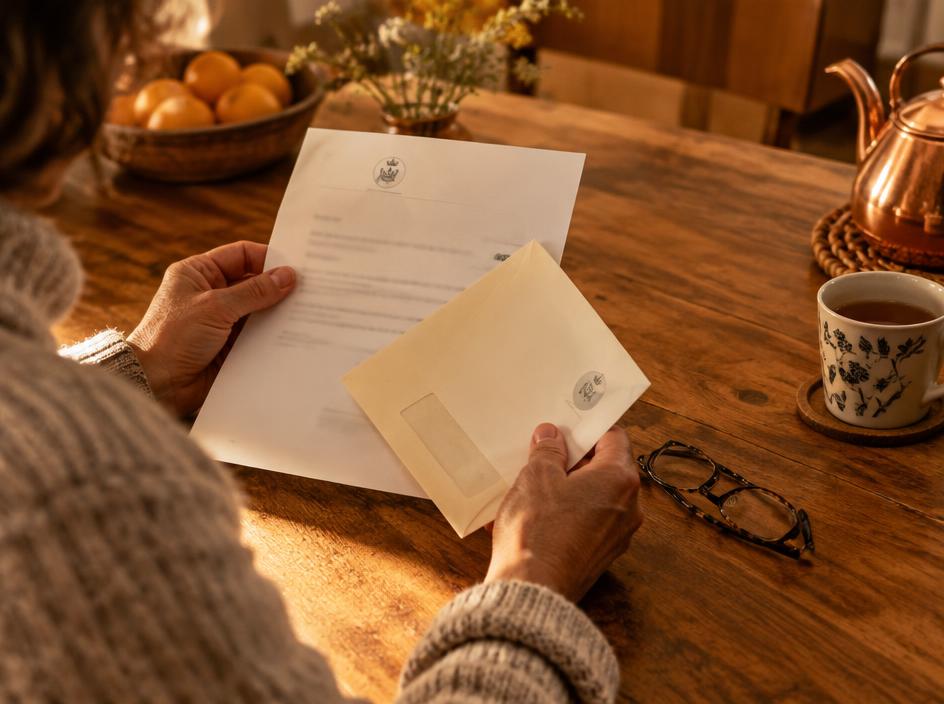
Fake job offers, cheque scams and upfront fees aimed at people looking for work.

Fake listings, deposits and buyer tricks on rentals and online marketplaces.

Threats, blackmail and sextortion, and how to respond without paying.
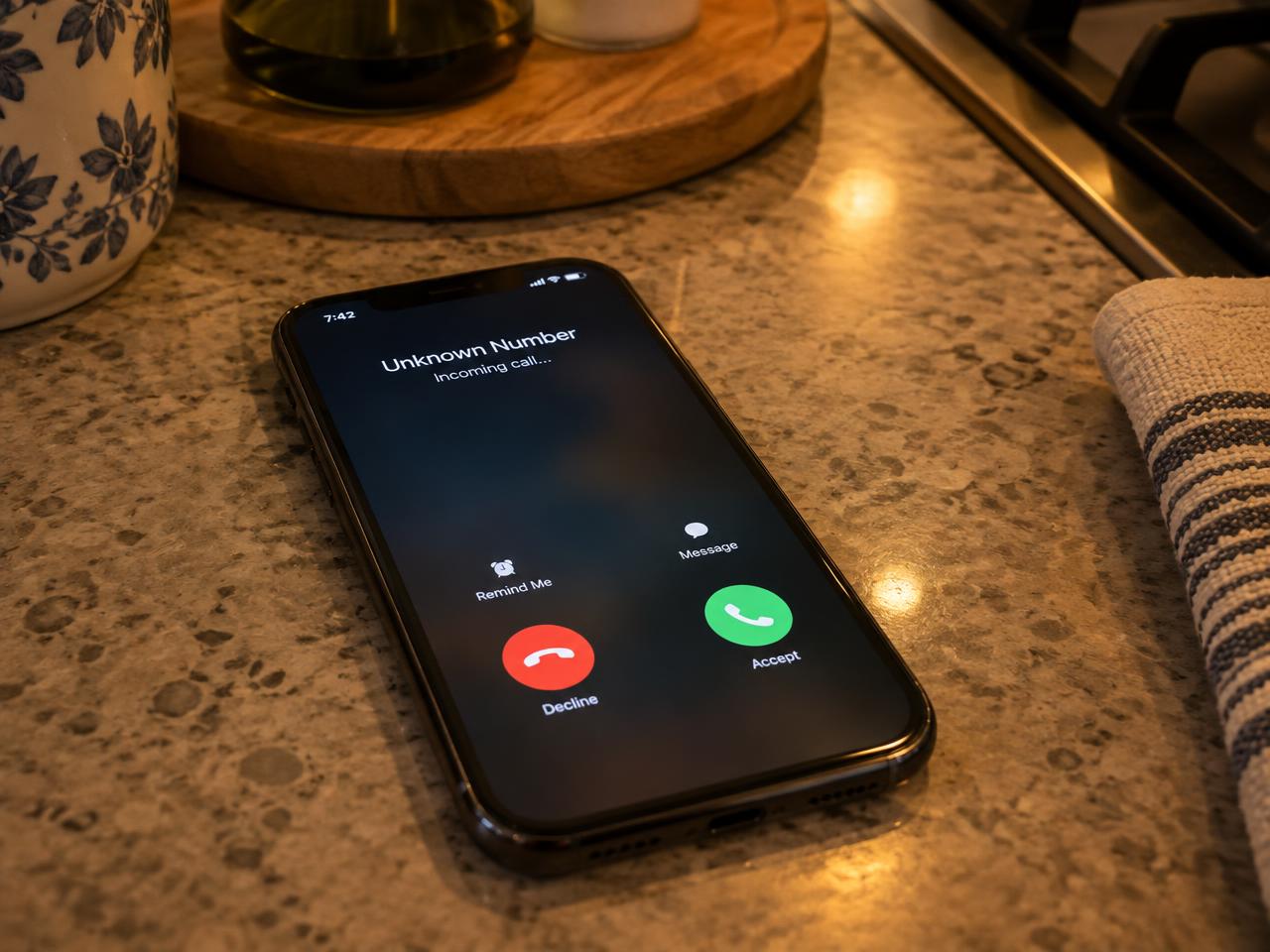
How cloned voices and fake videos are used to pressure families and businesses.

The pressure, urgency and trust tricks behind almost every scam.

What to do after a scam: who to call, how to report and where to find support.